

What Is Food Waste?
Food waste happens when food that could have been eaten is thrown away, spoiled, or left unused. This can happen at farms, grocery stores, restaurants, schools, food banks, and inside our homes.
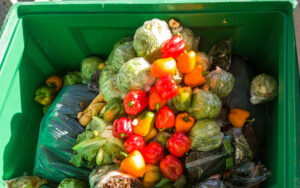
Why Food Waste Matters
When food is wasted, the time, water, energy, labor, and money used to grow, transport, store, and prepare that food is also wasted.
Common Causes of Food Waste
-
- Buying more food than needed
- Food spoiling before it is used
- Confusion about expiration or “best by” dates
- Throwing away food because of appearance
- Large portion sizes
- Limited storage space or refrigeration
- Lack of transportation to donate surplus food
How Communities Can Help
Communities can reduce food waste by supporting food rescue programs, educating families about food storage, encouraging composting, and building
stronger partnerships between farms, stores, restaurants, and food access organizations.
SOLUTIONS


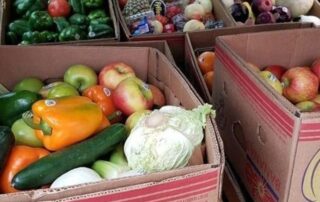
Plan Before You Shop
Meal planning, shopping lists, and checking what you already have at home can help reduce unnecessary food purchases.
Store Food Properly
Proper storage helps food last longer. Labeling leftovers and using older items first can help families save money and reduce waste.
Share Surplus Food
Businesses, farms, schools, and community members can help by donating safe, extra food to food banks or community programs.
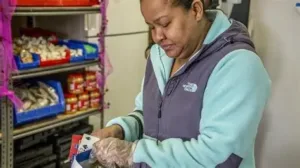
Food Recovery
Food recovery helps redirect safe, edible food to people who need it instead of sending it to landfills.
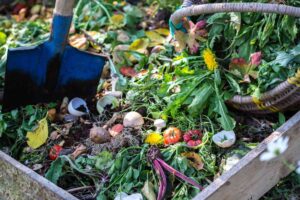
Composting
Food scraps that cannot be eaten can often be composted and turned into healthy soil instead of becoming landfill waste.